


27 Mar Helical Piers for New Construction: Essential Facts
Every successful building project starts from the ground up. Before you frame the walls or lay the roof, you must ensure the ground beneath your new building can support its weight over the long term. Constructing a home or commercial facility on unstable ground often leads to severe structural issues down the road. This is where advanced foundation technology comes into play.
Builders and engineers frequently face challenging terrain. High water tables, variable soils, and freeze-thaw cycles create unpredictable conditions that standard concrete footings simply cannot handle. If the soil shifts, expands, or compresses, the entire structure above it is at risk of settling or cracking.
Using helical piers offers a reliable, engineered solution to these ground-level challenges. By securing your new build deep below the problematic surface layers, you bypass the unstable soil entirely. This guide explains how this technology works, why it is highly effective for new construction, and how it can save you from dealing with major structural issues in the future.
What Are Helical Piers and Helical Piles?
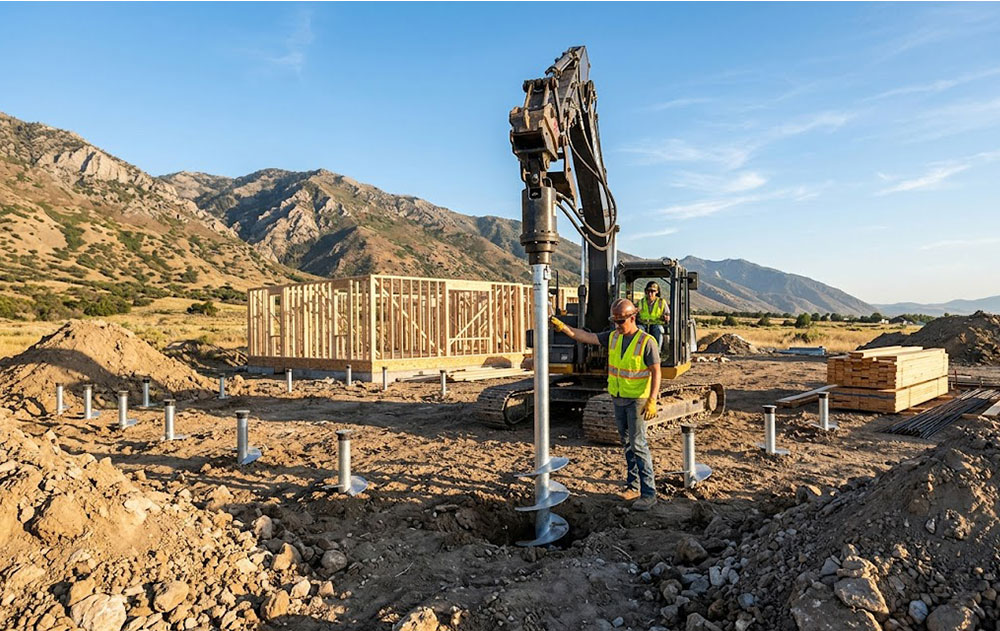
To understand the value of this foundation method, it helps to know exactly what the hardware looks like and how it functions. Helical piles (another term for helical piers) are large steel shafts featuring helix-shaped bearing plates. They look very similar to massive screws.
Instead of digging massive trenches or pouring enormous amounts of concrete, installation crews use specialized hydraulic machinery to drive these steel shafts directly into the earth. The helical plates pull the pier deeper into the ground as it rotates. The crew continues adding extensions to the shaft until the pier reaches deep, stable soil or bedrock that meets the required load-bearing specifications.
Once the piers reach the proper depth and achieve the necessary torque readings, they are permanently attached to the new building’s foundation footing. The weight of the structure is then transferred entirely through the steel shafts and dispersed into the stable earth below.
The Advantages of Using Helical Piers for New Builds
Contractors and property owners choose this foundation method for several distinct reasons. While traditional foundations rely heavily on the top layers of soil remaining static, a deep foundation system takes a much more proactive approach to structural stability.
Engineered for Challenging Soil Conditions
In regions like Utah, the geology can be particularly unforgiving for standard foundations. Moisture fluctuations cause the soil to expand and contract dramatically throughout the year. Helical piers bypass this active zone entirely. Every project is backed by structural calculations and soil reports to ensure the solution matches the specific demands of your site.
Minimal Disruption and Smaller Footprints
Traditional foundation work often requires extensive excavation, creating massive piles of dirt and severe site disturbance. Helical systems require a much smaller footprint. The installation process produces minimal noise, causes very little vibration, and keeps the surrounding landscape largely intact.
Immediate Load-Bearing Capabilities
Poured concrete requires significant curing time before it can support heavy loads. Weather conditions can easily delay this process. Helical piles, on the other hand, can support weight the moment they are installed, allowing construction crews to move immediately to the next phase.
Preventing the Need for Future Foundation Repair
Many property owners only discover helical technology after their existing building starts to sink. Integrating a deep foundation system during the initial construction phase is an incredible investment in the longevity of your property. By anchoring the structure to deep, load-bearing soil from day one, you drastically reduce the risk of future settling and gain peace of mind against seasonal soil shifts.
The Installation Process: What to Expect
A successful installation relies on precise engineering and expert execution. Here is a look at the verified process used to ensure maximum stability:
- Evaluation and Engineering: A thorough assessment of site and soil conditions, reviewing architectural plans and structural load requirements to develop a customized plan.
- Approvals and Installation: Specialized crews drive the piers into the ground while continuously monitoring torque to verify load-bearing requirements.
- Documentation and Warranty: Upon completion, you receive comprehensive reporting and test results backed by robust warranties.
Frequently Asked Questions
- Are helical piles only used for commercial buildings?
- No. While they are used for heavy-duty industrial installations, they are equally effective for residential new construction, custom homes, home additions, and decks on sloping terrain.
- How long do these foundation systems last?
- These steel shafts are galvanized to resist corrosion and rust. When installed correctly, they are designed to last the entire lifetime of the structure.
- Can they be installed in any weather?
- Yes. Since the process does not rely on pouring and curing concrete, crews can install piers in almost any weather condition, including freezing temperatures.
Build Your Next Project on a Solid Foundation
Choosing the right foundation system is the most critical decision you will make during your new construction project. Protect your investment from unpredictable soil conditions and avoid the stress of structural failures down the line.
If you are planning a new build in Utah, reach out to the local experts at Intermountain Helical Piers to schedule a no-cost site evaluation. Our team will review your plans and provide a tailored engineering solution so you can build with absolute confidence.
No Comments